

Back to case studiesInstituto Butantan case study
How Instituto Butantan structured its first GHG emissions inventory
A world-renowned institution and Latin America's largest producer of vaccines, sera and immunobiologicals.
1st
GHG emissions inventory for the Institute
1, 2 and 3
scopes covered (initial Scope 3 mapping)
Challenge
In addition to producing 100% of Brazil's domestic influenza vaccines, Instituto Butantan sought to expand its contribution to sustainability by establishing a reliable emissions management process.
Specifically
- Map and measure the greenhouse gas (GHG) emissions associated with production and research operations.
- Include energy consumption, refrigeration processes, transportation and laboratory supplies in the inventory.
- Meet transparency requirements and sustainability commitments in the healthcare sector.
Our Solution
- Development of the first GHG emissions inventory, covering Scopes 1 and 2 (direct fuel and electricity consumption) and an initial mapping of Scope 3 emissions (waste).
- Integration of energy consumption, refrigeration and transportation data into a digital system, enabling consistent analysis.
- Creation of monitoring dashboards for environmental tracking.
Results
- A stronger institutional position for the Institute as an innovative organization committed to health and sustainability;
- Greater transparency for public agencies and society about the environmental impact of its operations;
- A solid foundation for setting future emissions neutralization targets;
- Identification of GHG emission reduction opportunities, consolidated into a Decarbonization Plan;
- The Institute's GHG emissions inventory, with consolidated data and an auditable report.
Business impact
- Integration of the public health and climate agendas, strengthening Butantan's image as a leader in innovation and social and environmental responsibility.
- Strategic support for decisions on energy efficiency, logistics and investments in cleaner technologies.
- A direct contribution to the Sustainable Development Goals (SDGs), especially health, innovation and climate action.
- Preparation for future environmental certifications and alignment with global emissions reporting standards.
More case studies
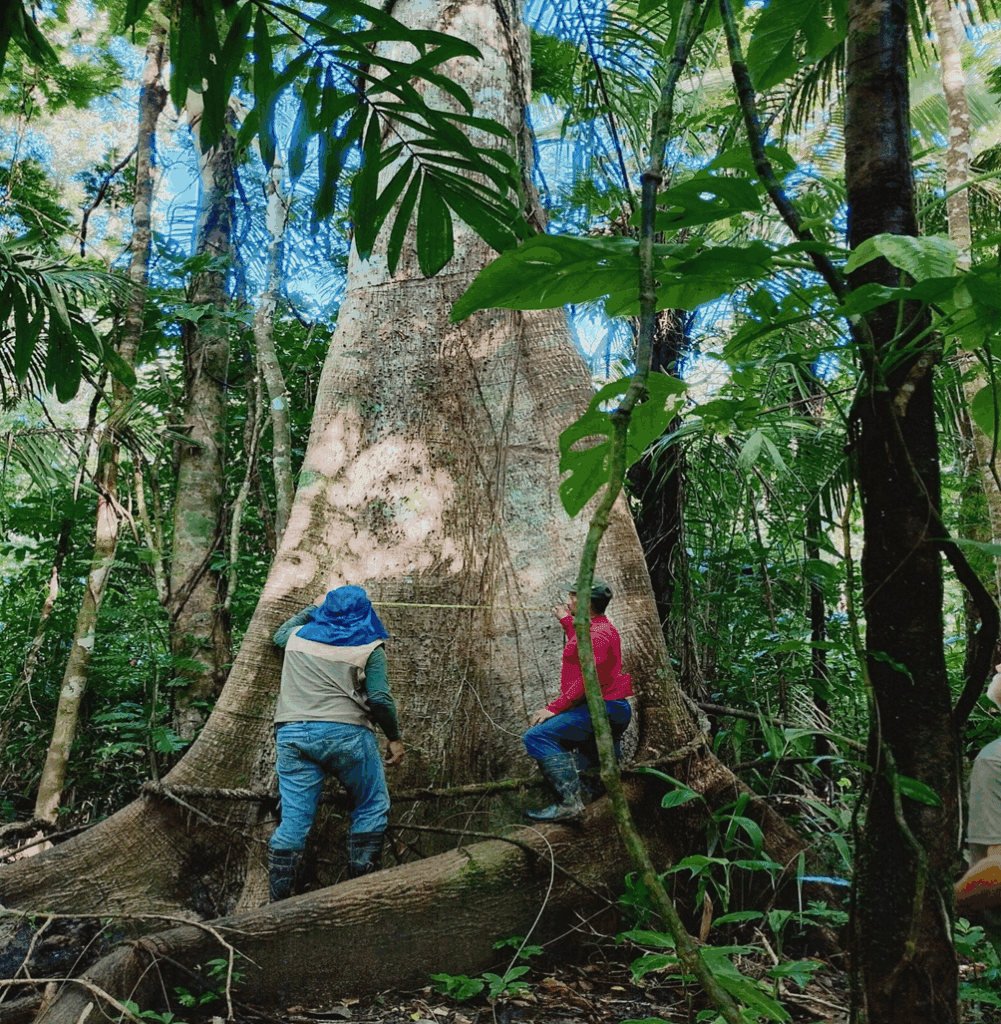
Grupo Reicon
2025 emissions fully neutralized.
- GHG emissions inventory
- Carbon neutralization
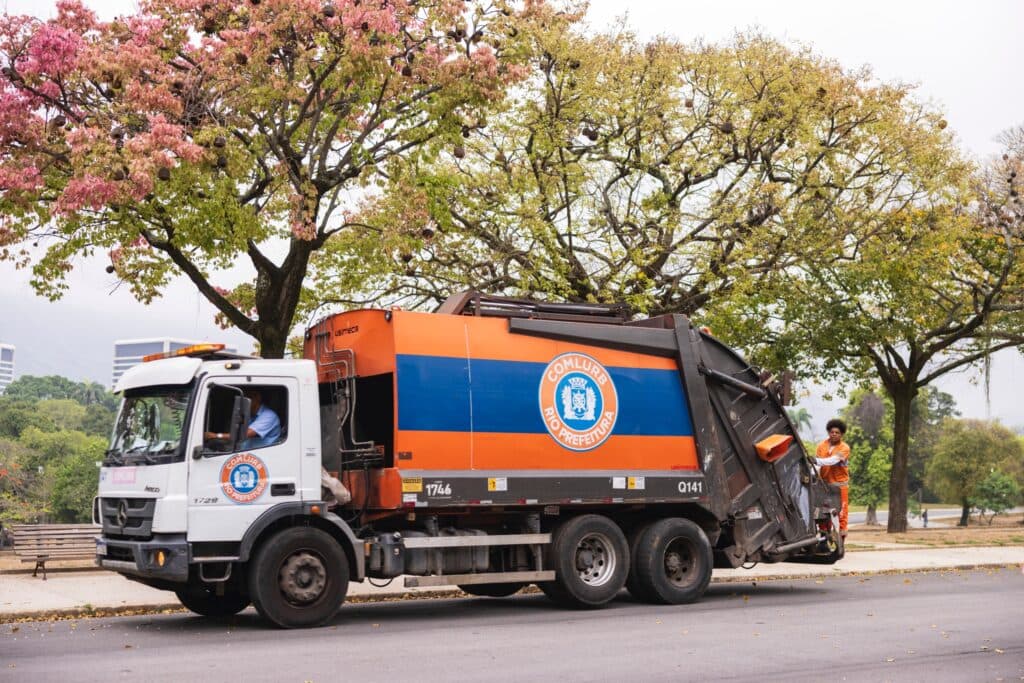
Comlurb
Data from nearly 900 vehicles centralized in a single system.
- Fleet management
- Direct operations

Transpetro
Shipbuilding carbon footprint mapped across 3 countries.
- Integrated logistics operations
- Maritime and land transportation